Coastal Fermentations and Slow Tables: The Mediterranean Margin
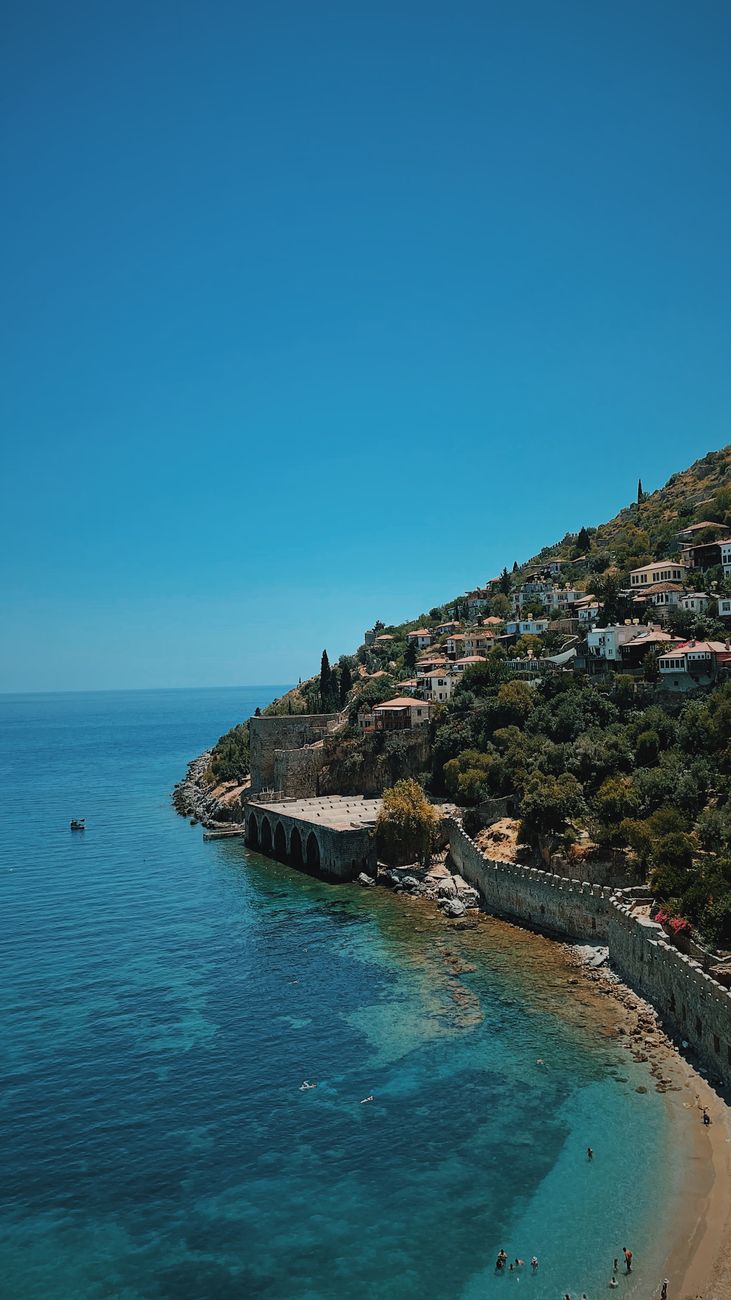
Along the limestone cliffs of Sicily, the Greek Peloponnese, and the southern coast of Portugal, a network of passionate vintners and culinary artisans is reviving ancient preservation methodologies. Long before commercial refrigeration altered the global palate, food was deeply rooted in fermentation and time.
Clay Vessels and Marine Air
In the Alentejo region, winemakers are reintroducing the talha—massive clay amphorae coated inside with pine resin and beeswax. Grapes fermented in these porous clay jars retain a mineral clarity and earthiness that modern stainless steel tanks frequently flatten.
Similarly, seaside salt pans continue to harvest flor de sal by hand under blistering afternoon breezes. The resulting crystals carry traces of magnesium and marine calcium, transforming simple ingredients into sublime culinary expressions.
The Caper and Wild Herbs of the Volcanic Shore
On wind-battered volcanic outcroppings, caper bushes sprout directly from craggy rock fissures. Picked by hand at sunrise before the flowers open, the buds are layered with coarse sea salt in wooden casks, gently leaching bitterness while retaining crisp texture.
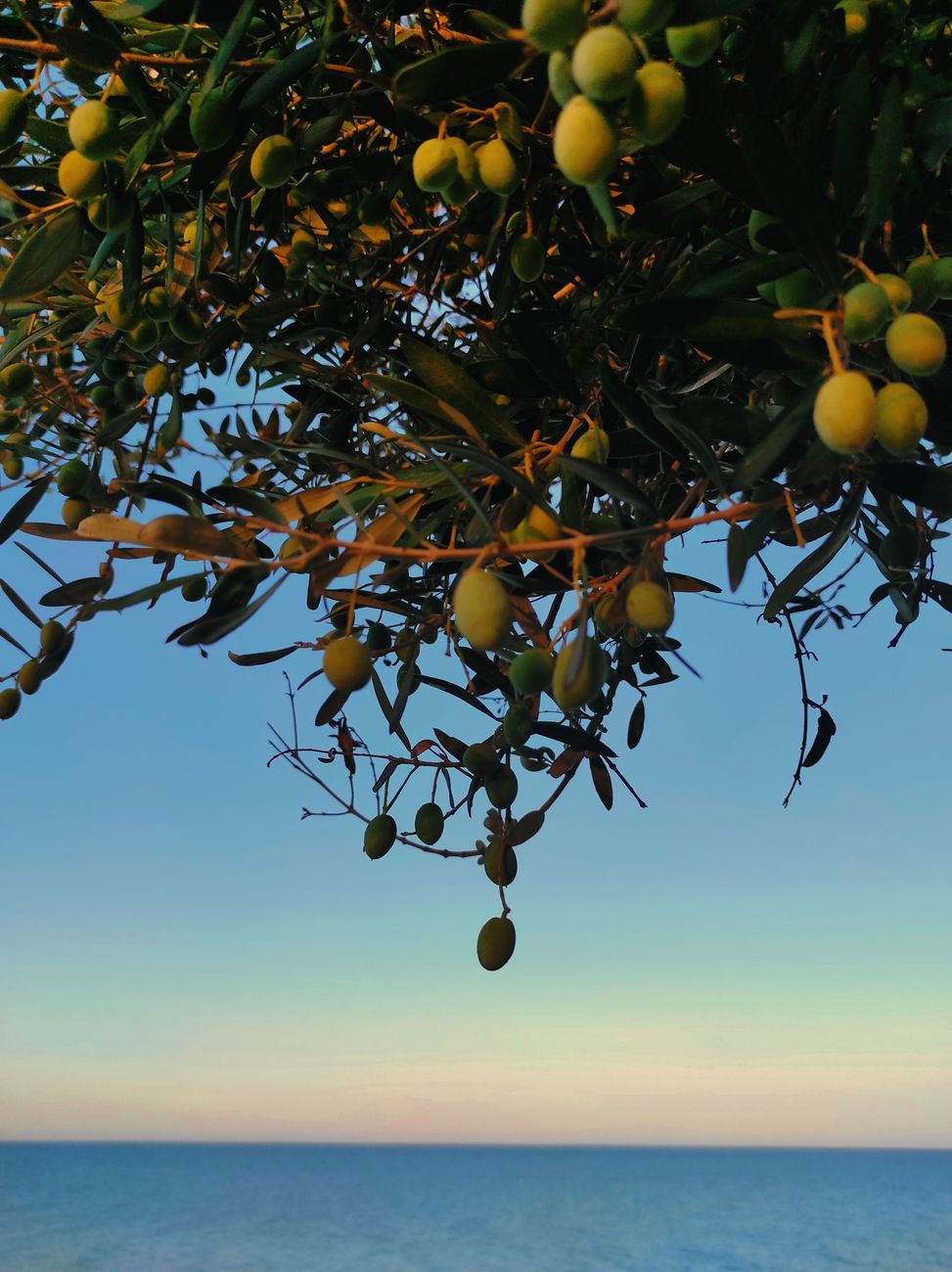 Centuries-old olive trees overlooking the Aegean rim.
Reclaiming the Slow Table
The Mediterranean diet is fundamentally about communal participation and deliberate rhythm. Lunches span hours beneath fig trellises, punctuated by uncorked local wines and animated dialogue.
By championing these fragile local food traditions, travelers help sustain agrarian ecosystems that prioritize generational continuity over industrial yield.